
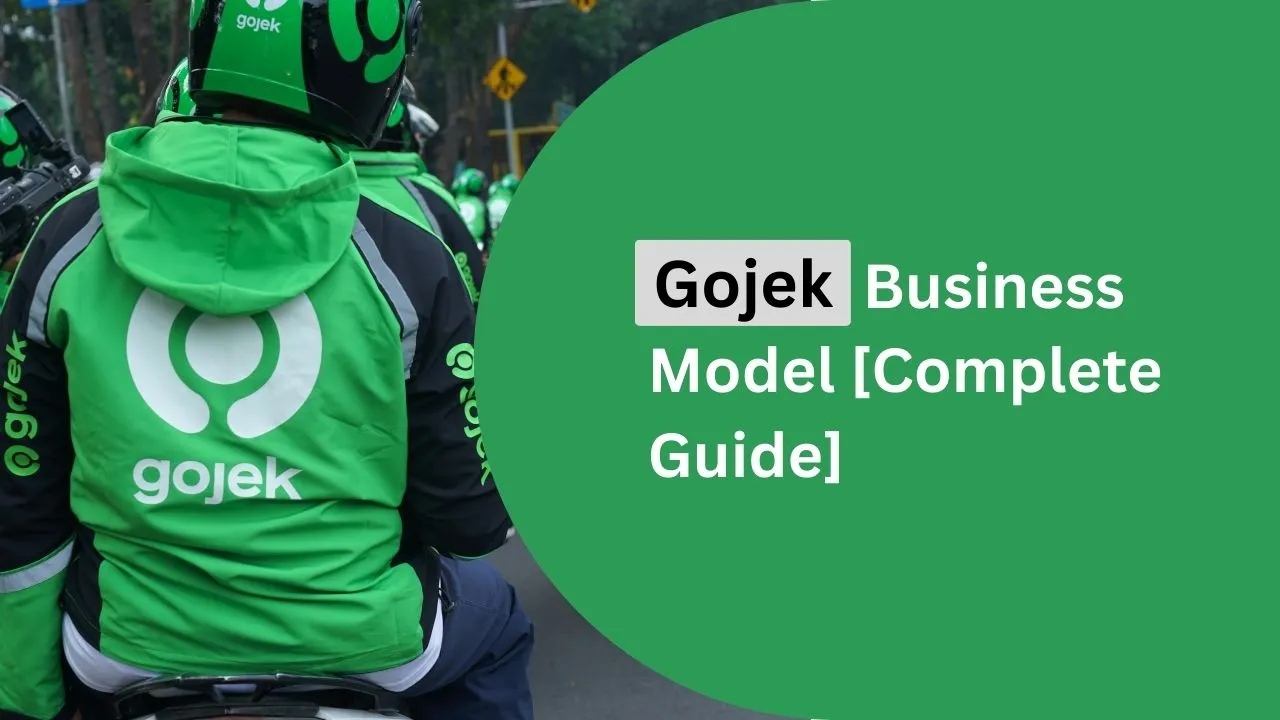
The wave of super apps has changed the way people book services, pay for things, and tend to daily needs. One of the best examples is Gojek, a service that turned what started as straightforward taxi-hailing into a full-blown multi-service ecosystem. In this comprehensive guide, we deconstruct the Gojek model, describe its revenue generation methods, and tell you why this on-demand platform has replaced all others as the definition of an app-based marketplace.
And, at Mayankal Technologies, we study successful business models like Gojek to develop start-to-end solutions for businesses and startups looking to emulate the success of Gojek, which has paved the way for new standards in on-demand business.
.webp)
What Is the Gojek Business Model?
The business model of Gojek is based on the idea of a super app. Rather than a single service, however, the app is an all-in-one on-demand application that includes multiple services. Users can also book rides, order food, send parcels, pay bills, and access local services without leaving the app.
This model directly relates to convenience, usage occasions, and ecosystem expansion. Every service raises the degree of user engagement, and shared architecture makes everything work stably and is scalable.
Core Pillars of the Gojek Business Model
Super App Ecosystem
Gojek functions as a super-app across utilitarian use-cases. The more services users are dependent upon, the more indispensable the app gets. That minimizes customer churn and maximizes lifetime value.
Three-Sided Marketplace
The service connects the three main involved players:
- Users who demand services
- Service providers (drivers and delivery partners)
- Businesses such as restaurants and local shops
Gojek acts as a technology layer for discovery, matching, payment, and fulfillment of services.
Technology-Driven Operations
The entire model is controlled by real-time location, intelligent matching, automated pricing, and analytics-driven decisions. With the help of technology, we can provide the fastest services to our clients and ensure optimum client satisfaction.
How Gojek Makes Money ?
Commission-Based Revenue
One of the largest sources of revenue is the commissions it takes from service providers and merchants. Every ride, delivery, or order the company completes translates into income for the platform.
Service and Convenience Fees
Users often pay delivery fees, surge pricing at busy times, or small platform charges. These charges increase the revenue and deal with the equilibrium demand/supply.
.webp)
Digital Payments and Wallet Services
Gojek has a digital wallet for cash-free payments. It makes money from transaction fees, payments from merchants, and through banks that partner with the startup.
Advertising and Promotions
Merchants can also pay for added exposure within the app. Advertisements and sponsored placements are also an extra monetization channel.
Why Gojek’s Idea Works So Well ?
High User Retention
The app gets used a lot during the user’s day. Frequent usage strengthens brand loyalty.
Strong Network Effects
The more users there are, the more service providers and vendors want to be on board. That is great for availability, pricing, and service overall.
Modular Growth
The addition of new services will not disrupt the existing ones. Expansion is efficient with shared payments, user accounts, and an admin system.
Key Challenges in the Gojek Business Model
Although it is quite powerful, the model is not straightforward to implement. Early-stage platforms face:
- High operational and marketing costs
- Commission-Partner satisfaction ratios need to be balanced
- Quality control and safety management
- Complex technology and infrastructure requirements
That’s why it’s so crucial to select the right technology underpinning and development partner.
Gojek-Inspired Opportunities for New Businesses
The Gojek business model has inspired entrepreneurs across the globe to launch:
- Local super apps
- Multi-service delivery platforms
- On-demand marketplaces
- White-label Gojek-style apps
With the right execution, this model works well not only in large markets but also in cities and niche regions.
Building a Gojek-Like Platform with Mayankal Technologies
We at Mayankal Technologies have expertise in developing scalable white-label on-demand and super app solutions like Gojek. We enable brands to hit the market sooner and keep control with long-term sustainability in mind.
Our solutions typically include:
- Multi-service architecture
- Real-time booking and tracking
- Secure digital payments
- Admin dashboards with full control
- Scalable backend infrastructure
Whether you launch out of the gate with one service or go full super app, we build platforms for scale.
.png)
Final Thoughts
The Gojek model works because it brings convenience, technology, and an ecosystem idea into a single platform. Serving the customers, service providers, and merchants simultaneously allows it to generate multiple revenue streams and long-term scalability.
This is a must-know model for those startups and businesses that wish to get into the on-demand industry. Building it right is the difference between traction in the short term and growth into perpetuity.
Interested in starting from scratch, but the only idea you have is “we want a Gojek-like app” for your particular market?
Mayankal Technologies can help turn that idea into a powerful, scalable digital product.
Hi, I’m Akhil Kumar Srivastava, Founder & CEO of Mayankal. We’re a team of highly skilled developers helping startups and established companies transform powerful ideas into successful digital products. We build high-quality websites, mobile apps, AI-driven tools, and full-scale SaaS solutions.
Our Blog
Explore Our Latest Multi-Location
Marketing Insights
11 May 2026
How Much Does LMS Development Cost in India in 2026?

Akhil Kumar Srivastava

17 Apr 2026
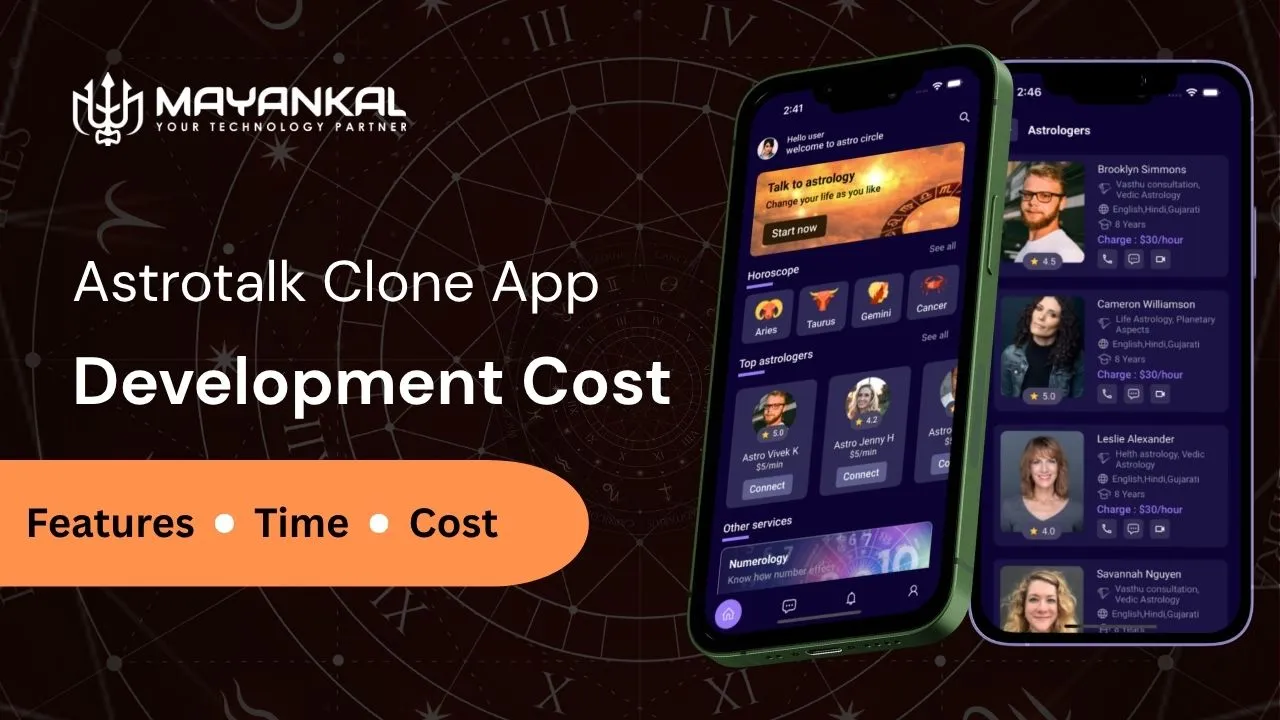
Cost to Develop an Astrology App Like Astrotalk in 2026
Akhil Kumar Srivastava
04 Apr 2026
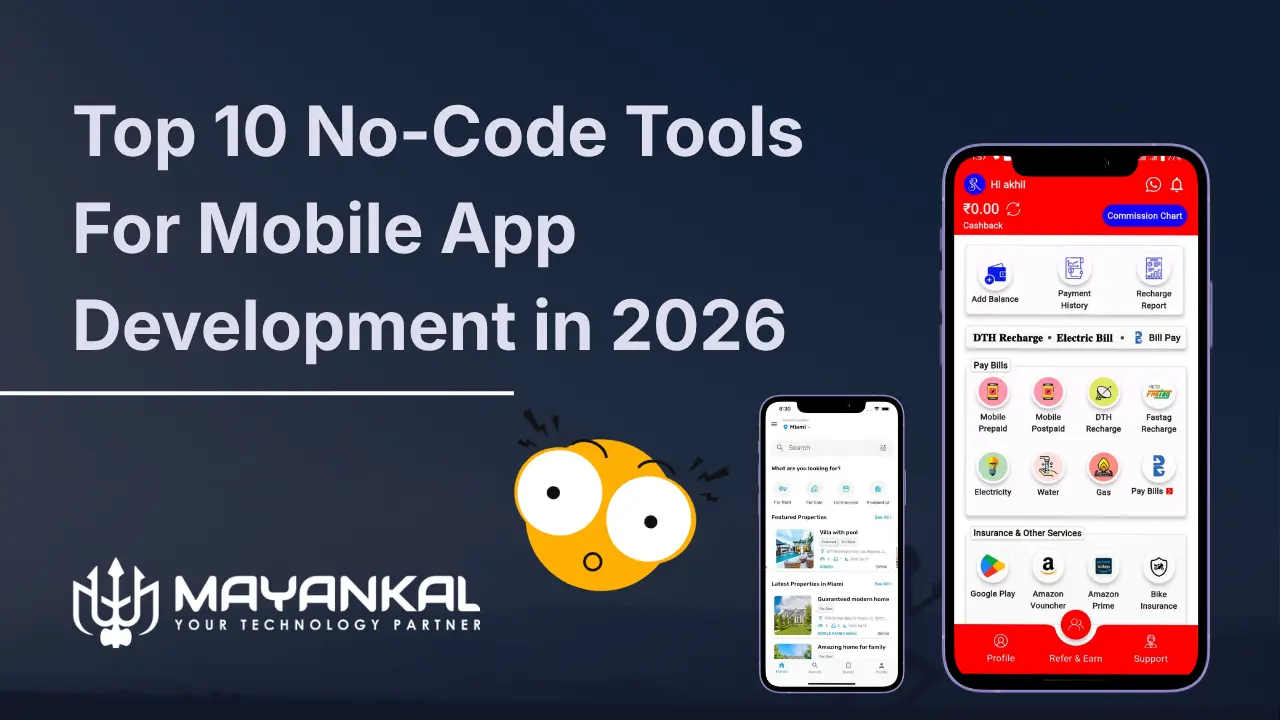
Top 10 No-Code Tools for Mobile App Development in 2026
Akhil Kumar Srivastava
23 Jan 2026
Detailed Guide on AI Agent Development Cost in 2026
Akhil Kumar Srivastava
02 Feb 2026
Trending Mobile App Development Frameworks in 2026
Akhil Kumar Srivastava