


.jpg)
Statistics
- Treat your MVP as a test: begin with a single market, a single audience and a licensed catalog, and scale up if the core experience is successful.
- For a cross platform launch, expect to invest 1,800-3,300 hours of development, depending on the scope of playback, payments, CMS functionality, integrations and testing.
- Video hosting, transcoding and delivery will involve ongoing costs that you’ll need to budget for, depending on the number of hours viewed, the quality of video and location of your audience.
- Building an MVP may take 5-8 months, depending on the status of your content, platform decisions, payment reviews and approval processes.
- These figures do not include the costs of licensing content or production, or marketing, legal review, customer support or app store costs, or for infrastructure unless stated in the scope.
Short-drama app is a mobile first app for streaming short drama stories which are delivered in short video episodes. Each episode of the story ends on a cliffhanger to encourage the viewers to watch more. The users are usually allowed to watch a few episodes for free. The user may also unlock new episodes by watching ads or buying coins, or can subscribe to watch premium content. The app features a library of short-drama series, a vertical video player, and a CMS for admin to publish content.
The founder’s biggest challenge is usually finding the content and the rights for their region, a schedule for releasing new content and deciding on a monetization method that is in line with the platform policies. A good MVP may have features like browsing and watching episodes, categories, basic recommendations, and viewing history, and a way to accept payments. The app CMS should allow the admins to manage series, episodes and subtitles, and promotions without having to push an update to the app every time a new episode is published. Note that the estimates are for building a service with their own content and not copying another company’s content, branding or UI.
App Feature
Account and onboarding
110 Hrs
Series discovery
150 Hrs
Vertical episode player
300 Hrs
Watchlist and viewing history
90 Hrs
Coins and subscriptions
240 Hrs
Notifications
80 Hrs
Content management
260 Hrs
Usage dashboard
130 Hrs

Major Factors that can affect development Cost
Advance Features We can Add In Reelshort - Stream Drama & TV
Your app should be able to ingest video files, transcode them to various resolutions, package them into HLS/DASH (Adaptive streaming) and distribute them using CDN. CMS needs to support captions, versioning of episodes, scheduling of releases and geographical availability. Backend should verify user's access to episodes on playback. Depending on their content and requirements, the owners might want to implement DRM, or visual/forensic watermarking for their videos. You can also add monitoring for video metrics like start up time, buffering and failure rates on different devices.
You should use a ledger for the coins in the app, so you can keep track of transactions (purchases, grants, unlocking episodes, refunds, adjustments, etc.) and reconcile with payment provider webhooks or app store receipts. Track users' subscription status and purchase restoration separately. You will also need to decide which payment methods to offer; make sure to read platform payment policies carefully, and account for refunds, taxes and price display.
You could get away with editorially curated collections, trending lists and a continue watching section for the first version of the app. Track relevant events like impressions, episode plays/completions, dropoff, searches and unlocking episodes. These data could be used to drive personalized recommendations/ranking in the future. You should also add roles and permissions in CMS along with an audit trail.
You should also include operational tools for monitoring playback and payment issues. Make sure to add access controls and retention policies for analytics and personal data. If you support comments/user-submitted content, you will need to support moderation and user support. Other things like offline support, social features, personalization and additional payment methods for different markets are larger features that should be tackled in separate releases with appropriate scoping and estimation.
Modules
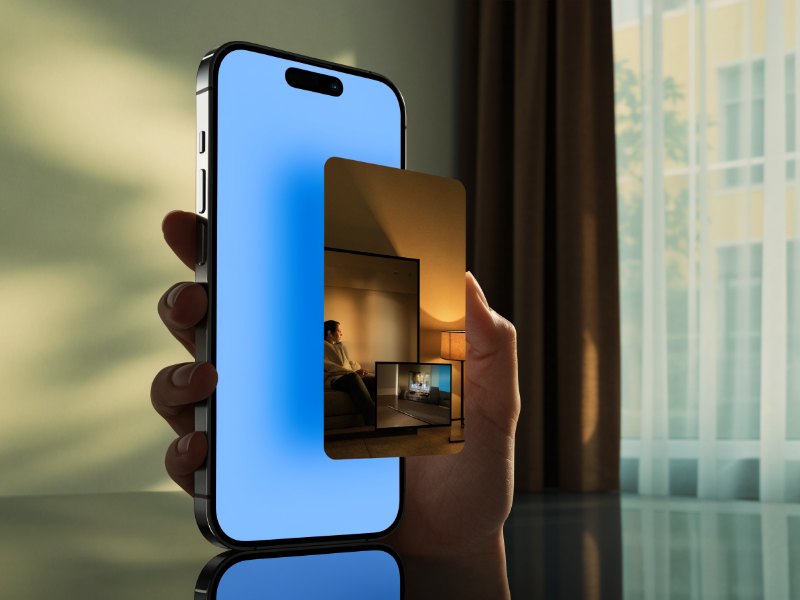
Viewer mobile app
A cross-platform app for account access, series discovery, vertical video playback, viewing history, and episode unlocks or subscriptions.
Viewer app
A cross-platform app for account access, series discovery, vertical video playback, viewing history, and episode unlocks or subscriptions.
admin panel
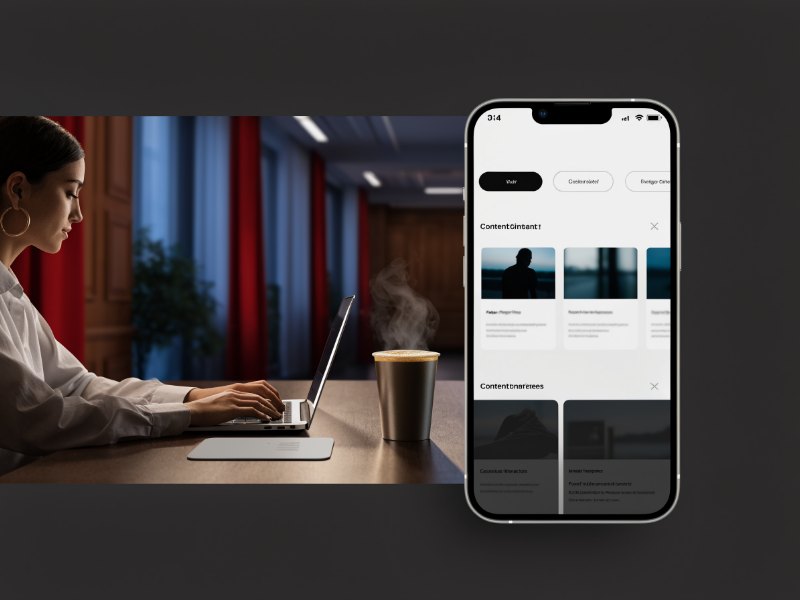
A secure web application for managing series, episodes, subtitles, release schedules, promotions, users, and staff permissions.
backend api

APIs and services for the viewer app and CMS, including access checks, payment events, video processing integrations, notifications, and playback monitoring.
Member’s Required In Team

UX/UI Designer
The UI/UX Designer works to design a beautiful and simple experience interface. Their aim is to create a seamless experience for the customers and the vendors. They create flows, layouts and interactions that lead to better engagement and conversation making the navigation simple while their application feels intuitive to any device (android or iOS).
.png)
Frontend Developer
The Frontend Developer is responsible for developing the visual aspects of website application. They develop the interface to be snappy and make the design concepts work which feels good on screens, helps perform better and push a consistently good experience across the web and mobile for the users.

Backend Developer
The Backend Developer is responsible for the server-side logic as well as the database architecture. They want to make sure the app handles data in a secure way and perform with fast performance, along with avoiding any interruptions. They build APIs, handle customer data and orchestrate bookings and payments — all the while ensuring an enormous system remains reliable as the app scales.

Mobile App Developer
Mobile App Developers who will create the core features of our mobile app for Android and iOS. They aim to provide you with a fast, stable and scalable app experience. They also write clean code, add features, optimise performance and properly ensure that an app works smoothly on various devices and operating system versions.

Project Manager
The Project Manager manages the process of app development from planning through launch. They make sure this project is not slipping offline and eventually manage resources and a good flow of communication between teams. They work to translate the business needs into action items and ensure the project is delivered on time, within scope, and within budget.

QA & Testing Engineer
The QA & Testing Engineer makes sure the app runs like clockwork prior to its introduction. Their aim is to catch the bugs, the performance issues, and the usability problems at an early stage. They perform manual and automated testing, test features, and make sure that the mobile app is a seamless experience without any bugs for the users.
Technologies


.svg)


Development Time
6 Months
These development costs are estimates, not fixed quotes. The final budget depends on platforms, design, video delivery, payments, security, team location, and scope. Content, marketing, legal work, app-store fees, and hosting are excluded unless agreed separately. A scoped estimate should confirm assumptions and recurring costs.
$6,000
Basic App

$15,000
Medium App
$25,000
Complex App
Why Mayankal is Best To Develop Reelshort - Stream Drama & TV
Mayankal can begin with product discovery rather than treating a feature list as a plan. We can work with you to clarify the target audience, launch region, content rights, and intended release approach. From there, we can define an MVP that prioritizes the essentials, such as publishing a licensed catalog, reliable playback, and a validated payment path.
We can map user journeys, content states, payment handling, and the measures that will help you assess the launch. Development can be staged: first the core viewer app, backend, and CMS, then additions such as DRM, offline viewing, recommendations, or comments if your needs and evidence support them. Each addition has tradeoffs in cost, delivery time, and operations.
Our work can cover mobile apps, backend APIs, content management, and integrations for video, payments, notifications, or analytics. Technology choices should fit your target devices and maintainability needs. Testing can include different network conditions, purchase restoration, accessibility basics, and operational workflows. We can also identify questions for content partners, app stores, and legal advisers before implementation. As scope and assumptions become clearer, estimates can be revised. We cannot promise audience growth or revenue; those outcomes depend on content, distribution, pricing, and other factors beyond the app.